Watercolour approaches to bark and leaf textures
Watercolour approaches to bark and leaf textures
Watercolour offers a subtle set of tools for suggesting texture. For bark and leaves in particular, three common approaches — wet-on-wet, drybrush, and glazing — serve different expressive and observational purposes. This studio note compares them and suggests simple ways to test each method outdoors and back in the studio.
Wet-on-wet for suggestive texture
Wet-on-wet emphasizes soft transitions and blended colour pools. It is useful for early impressions where you want the overall colour atmosphere of a trunk or a canopy without hard detail.
- How to use it: wet the paper first, lay in broad washes, and let pigments bloom into each other. Allow a moment for the paper to settle before introducing slightly darker shapes that suggest shadow or ridges.
- When it helps: on foggy or low-contrast days, or when recording distant stands of trees where precise texture is less important.
Wet-on-wet is forgiving and fast, but it will not render crisp fissures or fine leaf venation. Use it to set tone and mood, then consider layering more directed marks later.
Drybrush for detail and grit
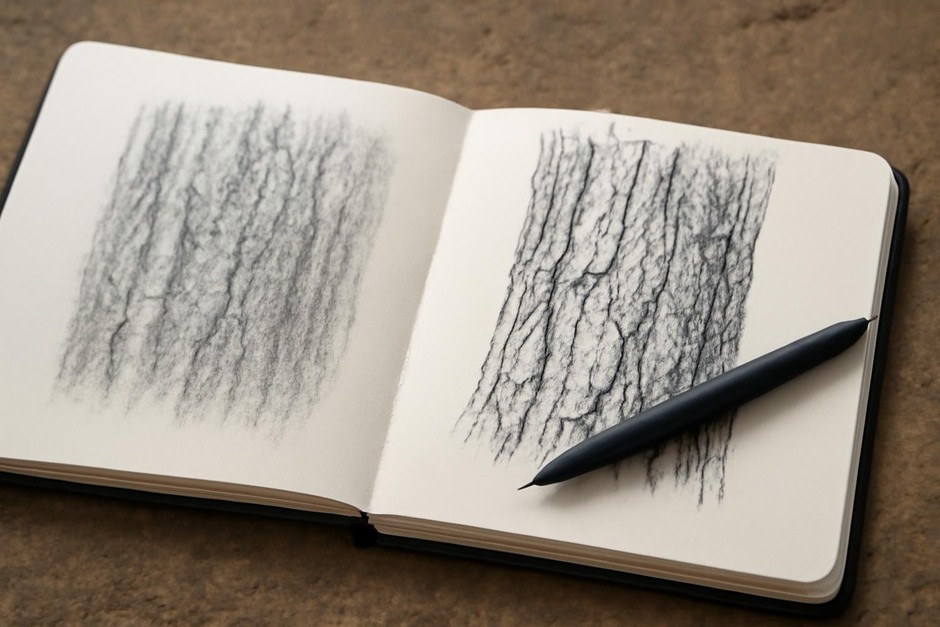
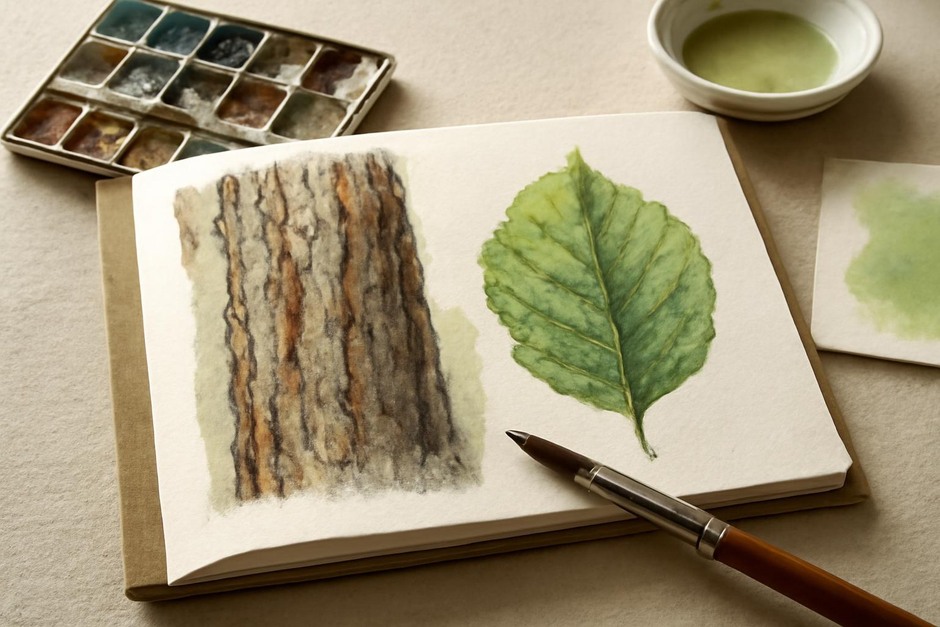
Drybrush applies relatively dry pigment with little water, producing broken, grainy marks that mimic the roughness of bark or the textured surface of certain leaves.
- How to use it: load a brush with paint but remove excess moisture. Drag the brush lightly across the tooth of the paper to create fragmented strokes.
- When it helps: for close studies where grit and irregularity matter, or when you want to suggest flaky bark and directional grain.
Drybrush is tactile and responsive to paper tooth. It is a more controlled choice than wet-on-wet and pairs well with earlier soft washes to add surface character.
Glazing to build depth and pattern
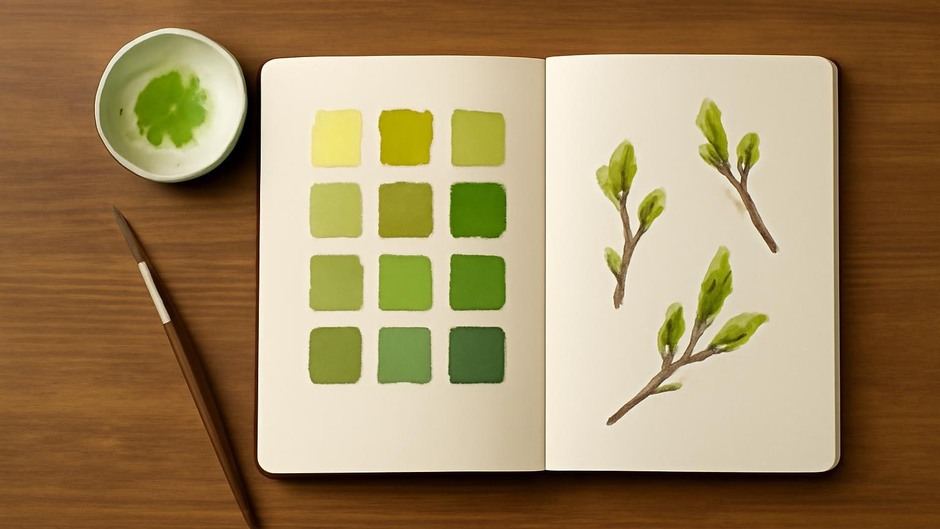
Glazing means applying thin transparent layers of colour over dried washes. It preserves underlying shapes while introducing subtle variations and a sense of depth. For leaves, glazes can capture the way sunlight filters through layers of overlapping growth.
- How to use it: wait for each layer to dry, then lay transparent colour in successive steps. Use warmer or cooler shifts to suggest the interplay of light and shadow.
- When it helps: when the study benefits from accumulated subtleties rather than single-pass impressions.
Glazing is patient work and suits studio sessions after a short field study. It helps translate quickly observed values into more complex chromatic relationships.
Practical test
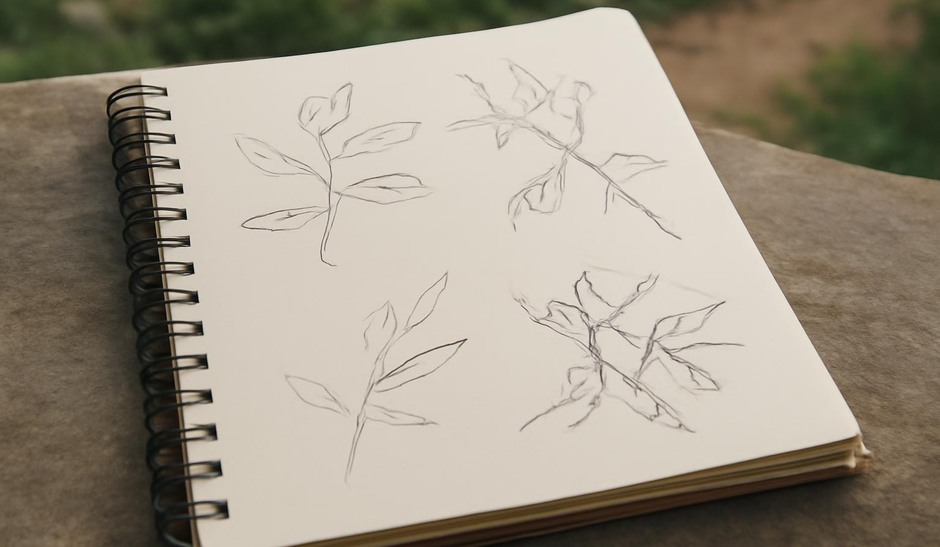
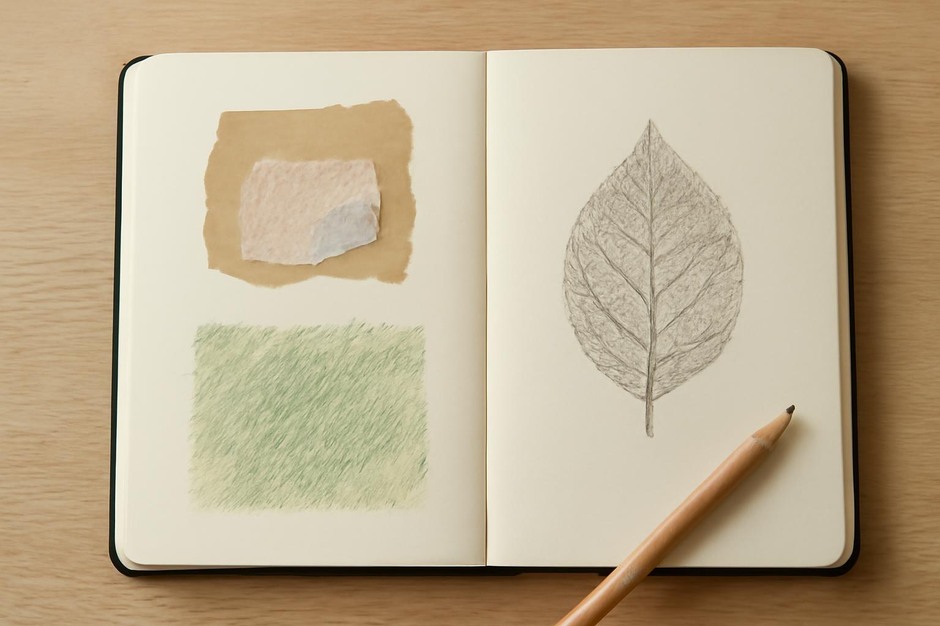
Pick a short session with a single tree and make three small studies of the same patch of bark and a cluster of leaves, using one method for each study. Keep studies the same size to help comparison. Note lighting and the physical distance from the subject. Back in the studio, compare how each method conveyed texture, depth, and the sensation of the surface.
Often, the most useful strategy is hybrid: begin with a wet-on-wet wash to capture overall values, add drybrush to emphasize fissures and ridges, and use glazes sparingly to harmonize colour and deepen shadows. The hybrid approach is not a rule but one way to combine the strengths of each technique.
These methods also differ in portability and time cost. Wet-on-wet is quick and suited to brisk field sessions; drybrush requires some control and a surface that shows tooth; glazing requires returning to the piece after drying. Consider the constraints of your visit and the kind of record you want to keep, then choose or combine approaches accordingly.
Over time, practicing these methods in repeated visits will build an intuitive sense of when to use soft atmosphere, brittle marks, or layered transparencies to describe the many textures that make up a small patch of landscape.